Week 1: 12-Factor App & DevOps Basics

“It’s not enough to build features. You must understand how software lives and breathes in production.”
After spending 3+ years building and shipping apps, I’ve decided to transition from DevOops to DevOps — and I’m bringing you along for the ride.
I recently started learning DevOps with KodeKloud and committed to learning in public by sharing weekly reflections right here, every Friday 🛠️
🧠 Why DevOps, and Why Now?
Most of us deploy apps to platforms like Vercel, Heroku, or GitHub Pages — and never think twice about what happens behind the scenes.
But if you want to scale, maintain, or work in production-grade environments, DevOps is a must-have skill. It helps you bridge the gap between development and operations — ensuring smooth deployments, monitoring, scalability, and reliability.
So here’s what I did this week 👇
🔥 Week 1: Understanding the 12-Factor App Methodology
My DevOps journey kicked off with the 12-Factor App — a set of principles every cloud-native app should follow.
👉 TL;DR:
The 12-Factor App is a methodology to build modern, scalable, and maintainable software designed for cloud environments.
In simpler words: Your app should be easy to build, easy to scale, less likely to break, and ready for cloud deployment.
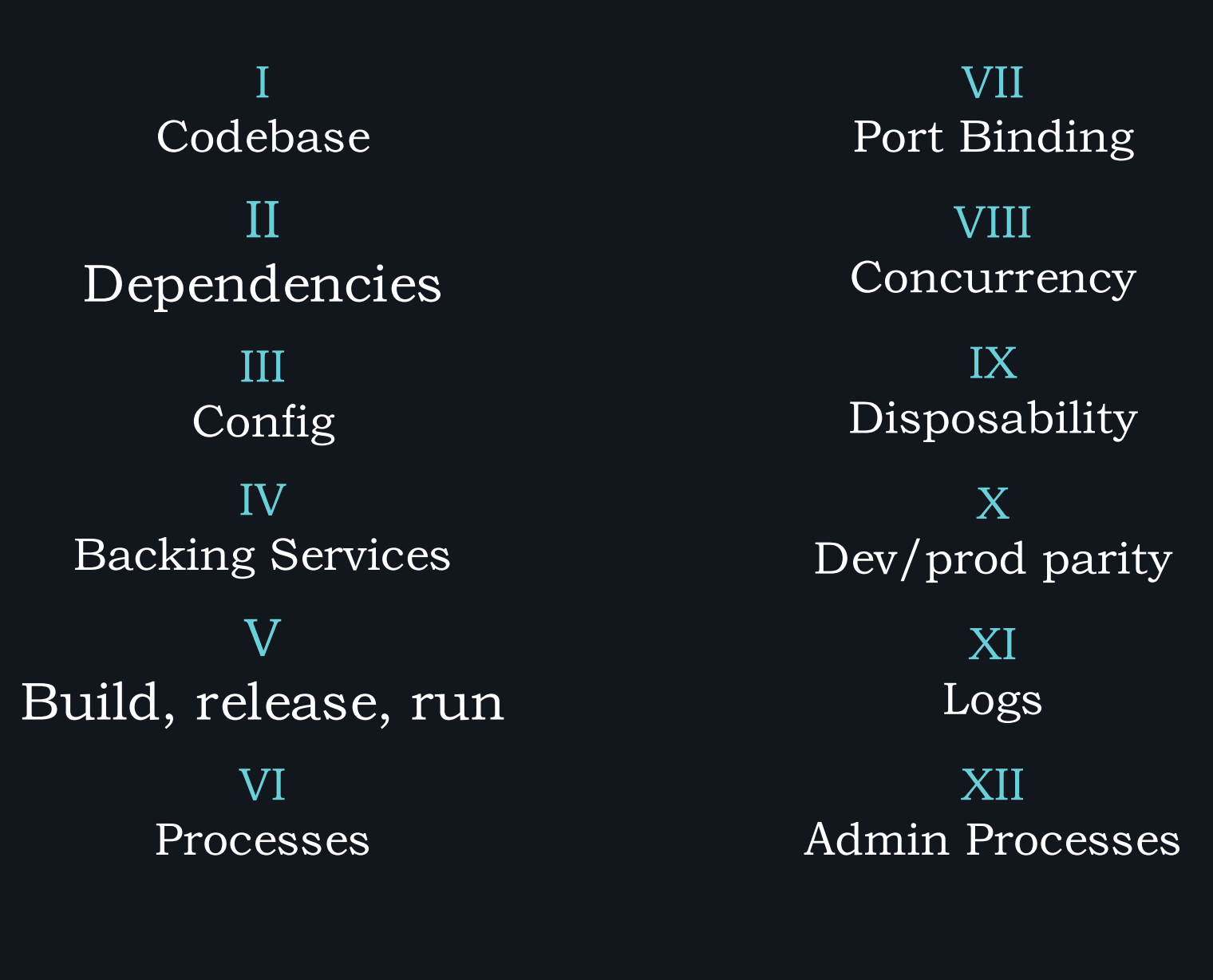
🧱 The 12 Factors (Made Simple)
Codebase
One app → One codebase → Tracked in version control.Dependencies
Declare all dependencies explicitly (e.g., inpackage.json).Config
Store environment-specific settings like API keys in env vars.Backing Services
Treat databases, storage, etc. as plug-in services — easy to replace.Build, Release, Run
Separate the build (compile), release (attach config), and run (execute) stages.Processes
Your app should be stateless. Store data externally.Port Binding
Self-contained app should bind to a port (no external servers like Apache required).Concurrency
Scale horizontally by spawning more stateless processes.Horizontal Scaling
Vertical Scaling
Disposability
Start fast, shut down gracefully. Ideal for scaling and restarting.Dev/Prod Parity
Keep dev, staging, and prod environments as similar as possible.Logs
Treat logs as streams. Pipe them to centralized systems (e.g., Fluentd, ELK).Admin Processes
Run things like DB migrations separately, not inside the main app.
📖 Learn more at 12factor.net
⚙️ What is DevOps?
“DevOps = People + Processes + Tools, working together to deliver better software, faster.”
DevOps is a loop. It never stops.
Plan → Code → Build → Test → Release → Deploy → Operate → Monitor
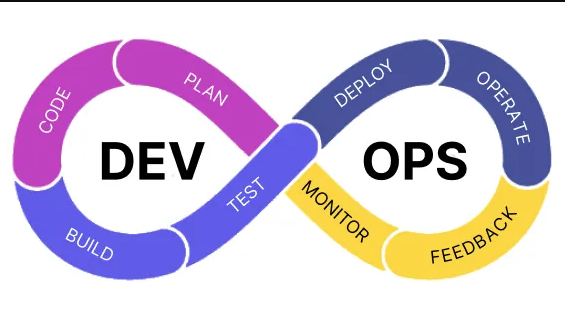
🔍 Each Stage in Brief:
📝 Plan: Define what’s being built.
💻 Code: Develop features.
🧱 Build: Compile, resolve dependencies.
🧪 Test: Run automated tests.
🚀 Release: Push to staging/production.
🔄 Deploy: Go live.
🛠️ Operate: Monitor and manage uptime.
📊 Monitor: Collect metrics and feedback.
🔮 What’s Next?
Before jumping into tools like Docker, Jenkins, or Kubernetes, I’ll be focusing on the foundational DevOps concepts:
Linux & shell scripting basics
Networking (TCP/IP, DNS, Ports)
Web servers (Nginx, Apache)
Databases & storage
Multi-tier app architecture
File formats like YAML & JSON
🗓️ See You Next Friday!
That’s a wrap for Week 1!
If you’re someone transitioning from developer to DevOps like me — or just curious about how real software operates — I hope this helped you.
📌 Follow me to get weekly updates as I continue this DevOps journey step-by-step.
Let’s go from DevOops → DevOps, one Friday at a time 👨💻🔧
✍️ Have questions or feedback? Drop a comment below! Or share your DevOps story too — I’d love to learn from others on the same path.
